
Ambient monitoring & air quality
Temperature, humidity and CO₂ should be visible while they rise — not after the complaints. Battery-powered wireless sensors monitor rooms with no cabling; threshold breaches reach the right person as alarms.
- Sensors
- PN Sense and compatible LoRaWAN sensors; battery-powered, wireless
- Measurements
- Temperature, humidity, CO₂; TVOC and particulates on suitable models
- Screen
- FiotX web and mobile; thresholds, alarms, records and reports
What do we measure, and where?
Not every room needs every quantity. The points list follows how each space is used; measurement coverage depends on the sensor model.
| Quantity | Where it matters | How it's assessed |
|---|---|---|
| Temperature | Cold rooms, server and technical rooms, comfort areas | Product range in cold rooms, comfort band in occupied areas; assessed together with how long the deviation lasts. |
| Relative humidity | Archives, storage, comfort areas | 40–60% is the common comfort target; sustained readings above 60% signal mould and material risk. |
| CO₂ | Classrooms, meeting rooms, dense offices | Values staying above 1,000 ppm are the widely accepted sign of insufficient ventilation. |
| TVOC / particulates | Recently renovated or dense indoor areas | Measured with compatible sensors; thresholds depend on the use of the space. |
| Door contact | Cold rooms, technical rooms | A door left open raises the alert before the temperature does (PN Connect dry contact input). |
Threshold values are common guidance; the right thresholds for your spaces are set together at the survey.
A threshold alone isn't enough
Raw values don't create action — values read in context do. In FiotX, ambient data is assessed against your operating pattern.
- Working-hours context: no CO₂ alarm in an empty building at night; rules bind to operating hours.
- Deviation time: a sustained breach alarms, a momentary spike doesn't; false-alarm discipline is preserved.
- Owner and closure: the alarm reaches the right person and is tracked as seen and closed.
- Trends and comparison: similar rooms side by side; the outlier shows itself.
Representative interface · demo data
No cables, no conduits
The sensors are battery-powered and wireless; they go live the same day even in rented buildings, historic structures or spaces you can't shut down.
Battery-powered sensors
No power or data infrastructure; long-life batteries, no installation marks.
In-building coverage
The PN Edge gateway collects sensors over LoRaWAN — floors and basements included.
Commissioned from the platform
Sensor registration and thresholds via FiotX; when a room changes, the sensor moves with it.
Battery & data health
Low battery and data gaps raise platform warnings; no blind spots.
Where does it make a difference?
Classrooms & schools
CO₂ climbs fast in a full classroom; breaks and ventilation are planned on data.
Meeting rooms
Long meetings mean stale air and fading attention; alerts on threshold breaches.
Open-plan offices
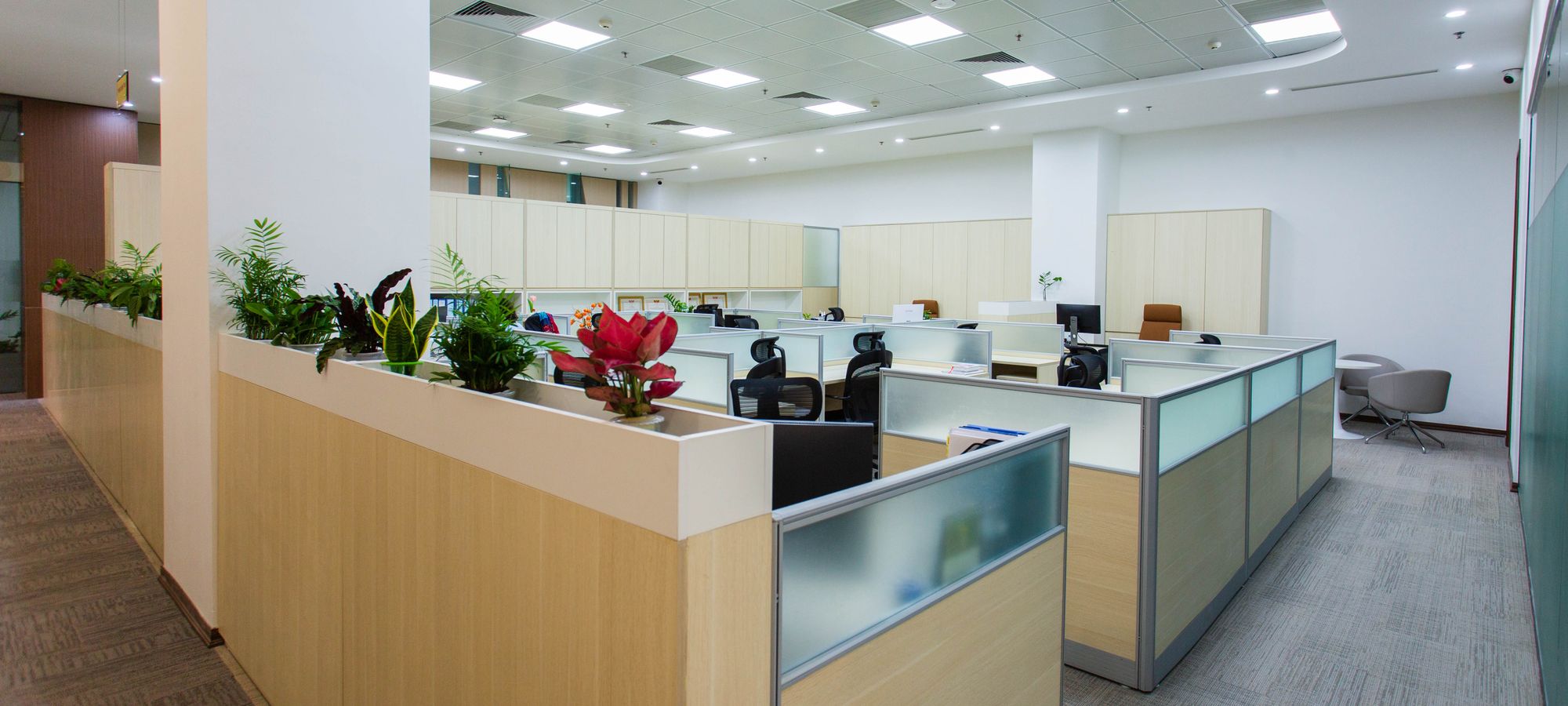
Comfort band and indoor air quality; see it before the complaints arrive.
Retail
Comfort on the sales floor; humidity in stock rooms and back areas.
Archives & storage
Continuous temperature and humidity records for sensitive material.
Cold & technical rooms
Temperature, door state and deviation time; nights and weekends included.
Ambient data feeds the HVAC decision
The fix for humidity complaints is usually operating discipline, not a setpoint; the fix for CO₂ is planning fresh air, not throttling the AC. With ambient data and HVAC on the same platform, these decisions are made on data rather than guesses.
If a meeting room breaches its CO₂ threshold every day at 2 pm, the problem is ventilation, not the AC; if temperature is normal but humidity stays high, cooling runtime and airflow are assessed together.
Worth knowing
Around AC and VRF, we also do all of this.
Which rooms, which quantities?
Share your floor plan and your concern — temperature, humidity or CO₂ — and we'll draw up the points list and thresholds together.